Retail and apparel RFID inventory
Improve item-level visibility across stockrooms, sales floors and fulfillment operations.
01 / THE OPERATING PROBLEM
Make the next
right action visible.
Retail teams need accurate availability without adding friction to store operations. Item-level RFID can support counts, replenishment and omnichannel fulfillment.
FIELD VIEW / ITEM-LEVEL FLOW
Put stock
within reach.
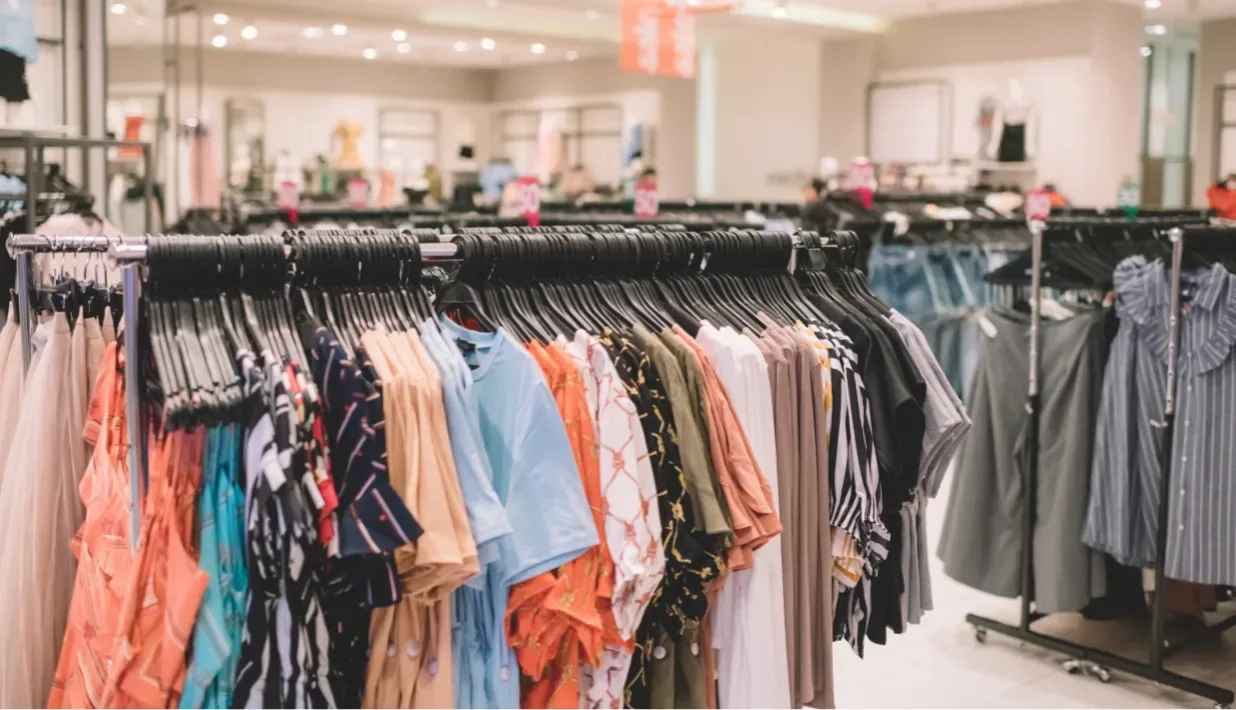
Retail RFID links item identity to the count, location and replenishment decision the team needs next.
- Identify garments by style, size and color at defined touchpoints
- Count stockroom and sales-floor items with a tested read method
- Route replenishment and exception work to the right team
02 / THE RFID WORKFLOW
Four moments.
One connected record.
Encode item-level labels during production
Define the identity and the point where it enters the workflow.
Count stockroom and sales floor quickly
Capture a repeatable event with enough context to trust the result.
Compare availability to the retail system
Capture a repeatable event with enough context to trust the result.
Route replenishment or exception tasks
Route the confirmed event to the system and person who acts on it.
03 / OPERATING SCOPE
Start with the
event, not the device.
A useful solution brief makes the item, event, system handoff and evidence visible before a configuration is selected.
Apparel, accessories or other item-level stock across stockroom, sales floor and fulfillment touchpoints.
Count, receipt, replenishment, transfer or fulfillment verification tied to the item and store location.
Validated item identity and status to the retail inventory, order or fulfillment workflow.
A store pilot covering folded and hanging items, fixture density, count routine and exception ownership.
FIELD QUESTIONS
- Define whether the working unit is an item, case or store transfer.
- Test label placement with real fabrics, packaging and fixtures.
- Design the count route and recovery step around the store team.
- Compare expected availability and observed items before replenishment decisions.
INDUSTRY CONTEXTS
Apply the workflow
to the operating setting.
These published industry routes apply the same solution pattern to a specific operating context. They are starting points for review, not a statement that any reader category or profile is ready for every environment.
04 / THE SYSTEM
Build around
the point of work.
Start with the read event and its purpose. Then select the tag, reader, antenna and software that support that event in the real environment.
UHF apparel labels
Specified around the item, environment and operating step.
Ergonomic handheld reader
Specified around the item, environment and operating step.
Desktop or industrial encoder
Specified around the item, environment and operating step.
Store inventory integration
Specified around the item, environment and operating step.
05 / SOFTWARE & INTERFACES
Make the read
mean something.
Maps EPC, SKU, size, color, store and inventory status to retail, order management or warehouse platforms.
Learn more06 / TEST METHOD
Measure the
uncertainty.
We test folded garments, hangers, dense racks, fitting rooms and store fixtures to confirm the count method works in the actual operating pattern.
- Representative materials and item mix
- Read range, speed and false-read checks
- Operator workflow and exception path
07 / DEPLOYMENT
Start with
one proven zone.
Start with one store or category, define count cadence, measure exception handling and roll out with a repeatable training kit.
08 / WHAT GOOD LOOKS LIKE
Evidence your
team can use.
A more current view of store inventory and a measured path from item tagging to omnichannel execution.
Solicitar presupuesto09 / FAQ
Questions worth
asking early.
Yes, with the correct label placement and reader technique. We test the actual assortment and fixture density before selecting a tag.
We can recommend and supply inlay and label options, including encoding and artwork requirements, subject to project volume and region.
RFIDBRIDGE / NEXT STEP
Ready to test
the real thing?
Bring a representative item, a read target and the system that should receive the event.
Solicitar una muestra