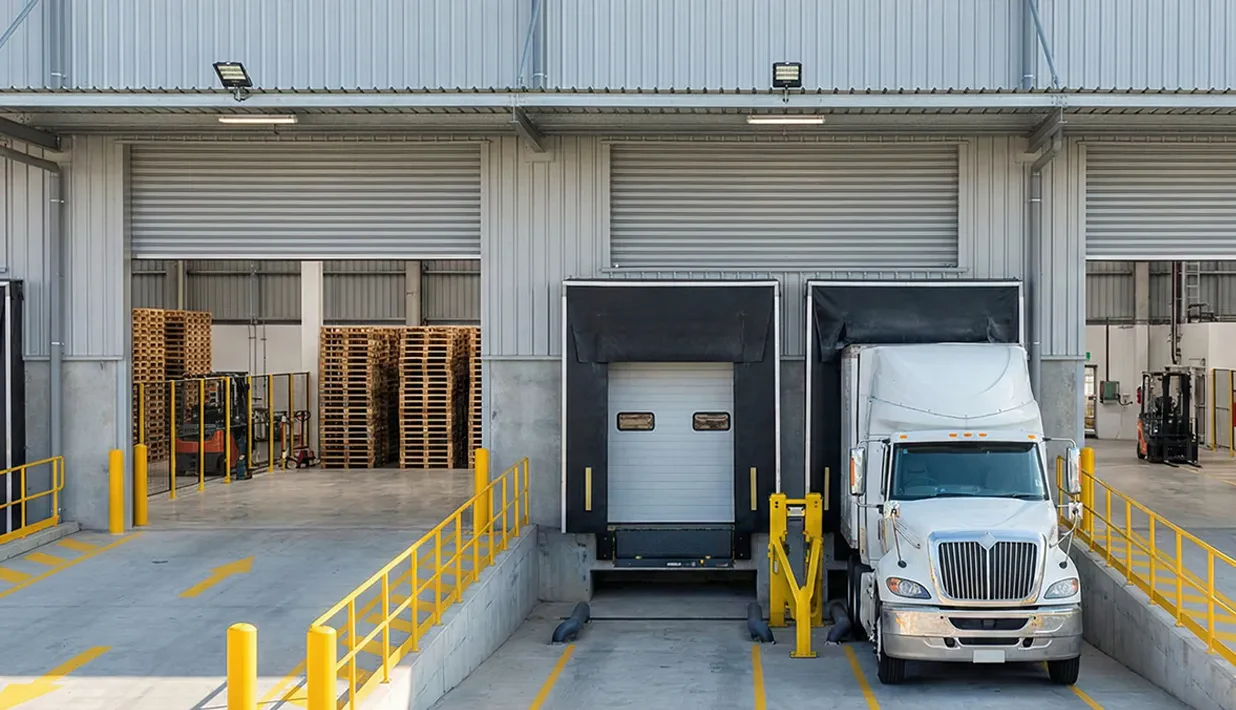
A read zone is a complete operating area, not just a reader setting. Plan the reader, antennas, cables, triggers, nearby materials and event rules together, then validate the intended movement with representative items.
01 / FIELD NOTE
Map the complete zone
Record the reader, antenna positions, cable routes, trigger, mounting, item path and nearby equipment. Include the space around the intended read point because reflections, absorption and interference can change what the system observes.
02 / FIELD NOTE
Define the accepted boundary
Write which item path, direction, trigger and time window create the intended event, and which parked, staged, reversed or adjacent movements must be excluded. Treat the boundary as a physical and event-processing decision.
03 / FIELD NOTE
Design the physical arrangement
Review antenna orientation, mounting, cable route, power, nearby materials, shielding and traffic with the intended item presentation. Keep the selected hardware and placement configuration-specific until representative testing is complete.
04 / FIELD NOTE
Connect hardware and rules
Treat reader configuration, antenna selection, triggers, peripherals and event processing as one design. A reader observation becomes useful only after the workflow applies identity, location, timing and exception rules.
05 / FIELD NOTE
Test the operating evidence
Use representative tagged items, normal movement and negative cases to record intended reads, missed reads, duplicate reads and nearby activity. Include partial passes, delayed triggers and offline recovery.
06 / FIELD NOTE
Keep a change baseline
Retain the physical layout, configuration, tag placement, event rules, test conditions, accepted exceptions and sign-off together. Re-test when the site, item mix, reader arrangement or workflow changes.
Bring your material, movement, target read and system context to a sample or quote request.
ขอตัวอย่าง