Station conditions
Document movement, machine proximity, queueing, material variation and operator interaction at the point of work.
SOLUTIONS / MANUFACTURING / APPLICATION
Connect material, workpiece, tooling or container identity to a defined station event, exception rule and system handoff before scaling an RFID process.
01 / THE OPERATING DECISION
Manufacturing RFID becomes useful where a physical event changes the status of material, work or equipment. A reliable design names the station, item state and exception owner so that an observation can be evaluated before it reaches a production record.
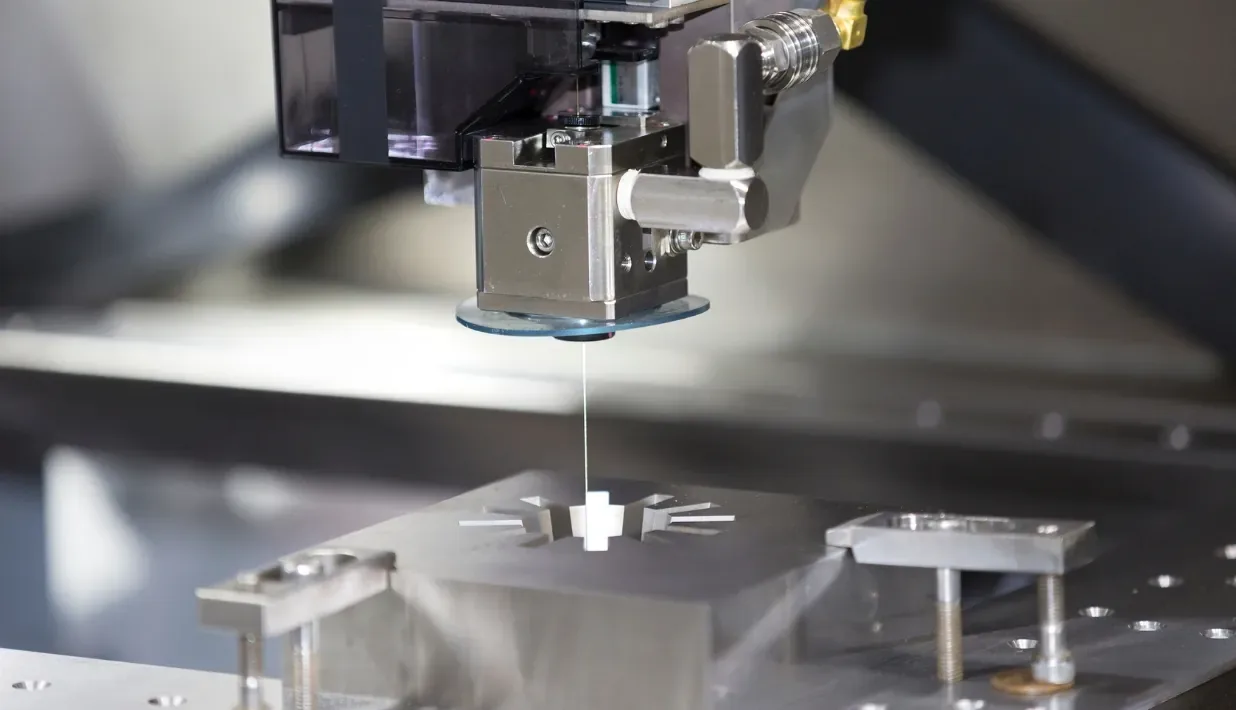
FIELD VIEW / ILLUSTRATIVE CONTEXT
The visual grounds the operating setting. It is not evidence of a customer installation, product configuration, measured result or readiness for this workflow.
Open the parent Solution02 / EVENT WORKFLOW
Use the workflow map to distinguish a physical observation from the business event, exception and handoff that give it operational meaning.
State what must be true about the item, location and process before a read can become a production event.
Connect identity to the material, work or container state that the next station needs to understand.
Keep duplicate, out-of-sequence and missing events visible instead of silently changing a process record.
Confirm the receiving system, owner and recovery method before extending the pattern beyond one controlled point.
03 / OPERATING SCOPE
These facts are the design inputs that keep an identity observation tied to an operating decision instead of an unexplained signal.
04 / FIRST REVIEW
Each review item is a decision to make with representative items, real operators and the systems that will receive the event.
Document movement, machine proximity, queueing, material variation and operator interaction at the point of work.
Define the condition that allows a physical observation to represent arrival, completion or transfer.
Keep hold, rework and correction paths explicit so uncertain events do not disguise a process exception.
05 / VALIDATION PLAN
The first validation is a bounded proof of the operating rule, exception process and evidence trail. It is not a promise about later performance in a different environment.
Use the actual item forms, timing and station sequence that the process will operate with.
Exercise late, repeated and out-of-order observations together with intended station events.
Verify how an operator or owner can hold, correct and document an event before it affects the record.
RFIDBRIDGE / APPLICATION REVIEW
Use this field brief to frame representative items, the event boundary and the system record that needs to receive a reviewable result.
Request a sample test