Unit construction
Review attachment, wear, stacking, cleaning and handling conditions across the expected circulation life.
SOLUTIONS / RTIS / APPLICATION
Track reusable pallets, crates, totes or other returnable units through custody, transfer, return and recovery events with a clear handoff record.
01 / THE OPERATING DECISION
Returnable assets leave the control of one location or partner and must later re-enter a known circulation loop. The first design question is which movement proves custody has changed and how an exception is followed through.
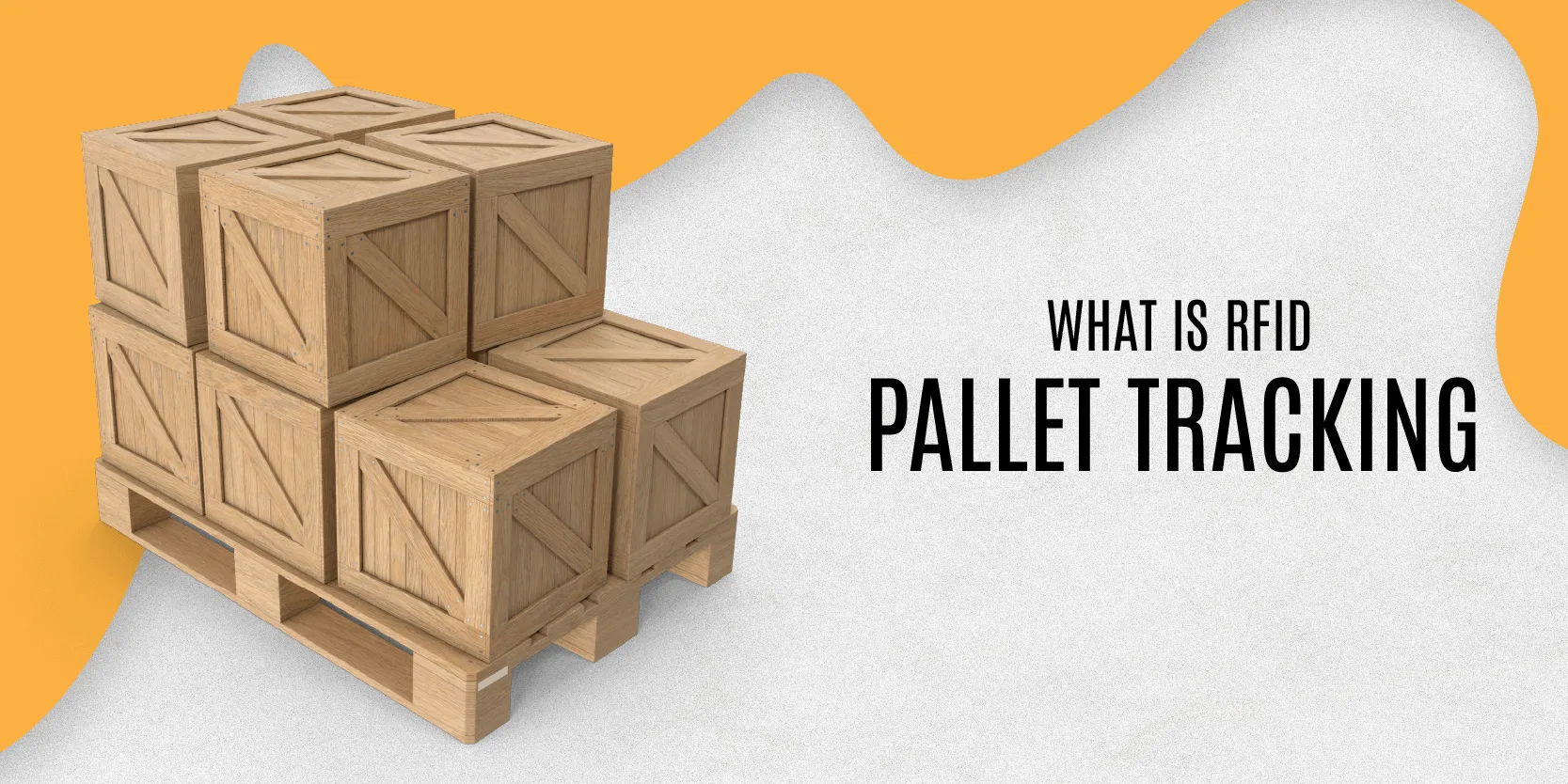
FIELD VIEW / ILLUSTRATIVE CONTEXT
The visual grounds the operating setting. It is not evidence of a customer installation, product configuration, measured result or readiness for this workflow.
Open the parent Solution02 / EVENT WORKFLOW
Use the workflow map to distinguish a physical observation from the business event, exception and handoff that give it operational meaning.
Set the unit identity, hierarchy and condition state needed to manage a circulation loop.
Choose the physical handoff where a dispatch, receipt or return can be linked to an accountable party.
Keep a transfer observation distinct from inspection, repair and ready-for-reuse decisions.
Create a controlled path for units that do not return, return unexpectedly or need investigation.
03 / OPERATING SCOPE
These facts are the design inputs that keep an identity observation tied to an operating decision instead of an unexplained signal.
04 / FIRST REVIEW
Each review item is a decision to make with representative items, real operators and the systems that will receive the event.
Review attachment, wear, stacking, cleaning and handling conditions across the expected circulation life.
Agree the record, owner and fallback process at every point where custody may pass outside the site.
Define the difference between returned, inspected, damaged and available for the next circulation cycle.
05 / VALIDATION PLAN
The first validation is a bounded proof of the operating rule, exception process and evidence trail. It is not a promise about later performance in a different environment.
Test representative units through the storage, loading, travel and return conditions that matter.
Run a controlled dispatch and receipt, including the evidence for a transfer that is not confirmed.
Test the action, owner and record created when an expected return does not occur.
RFIDBRIDGE / APPLICATION REVIEW
Use this field brief to frame representative items, the event boundary and the system record that needs to receive a reviewable result.
Request a sample test