RFID site survey
Map materials, movement, interference and read zones before equipment is specified.
01 / WHY IT MATTERS
Reduce the gap
between plan and proof.
For warehouses, plants, stores and multi-site teams that need evidence before installation.
RFID projects move faster when the operating question, test evidence and ownership of the next action are visible to everyone involved.
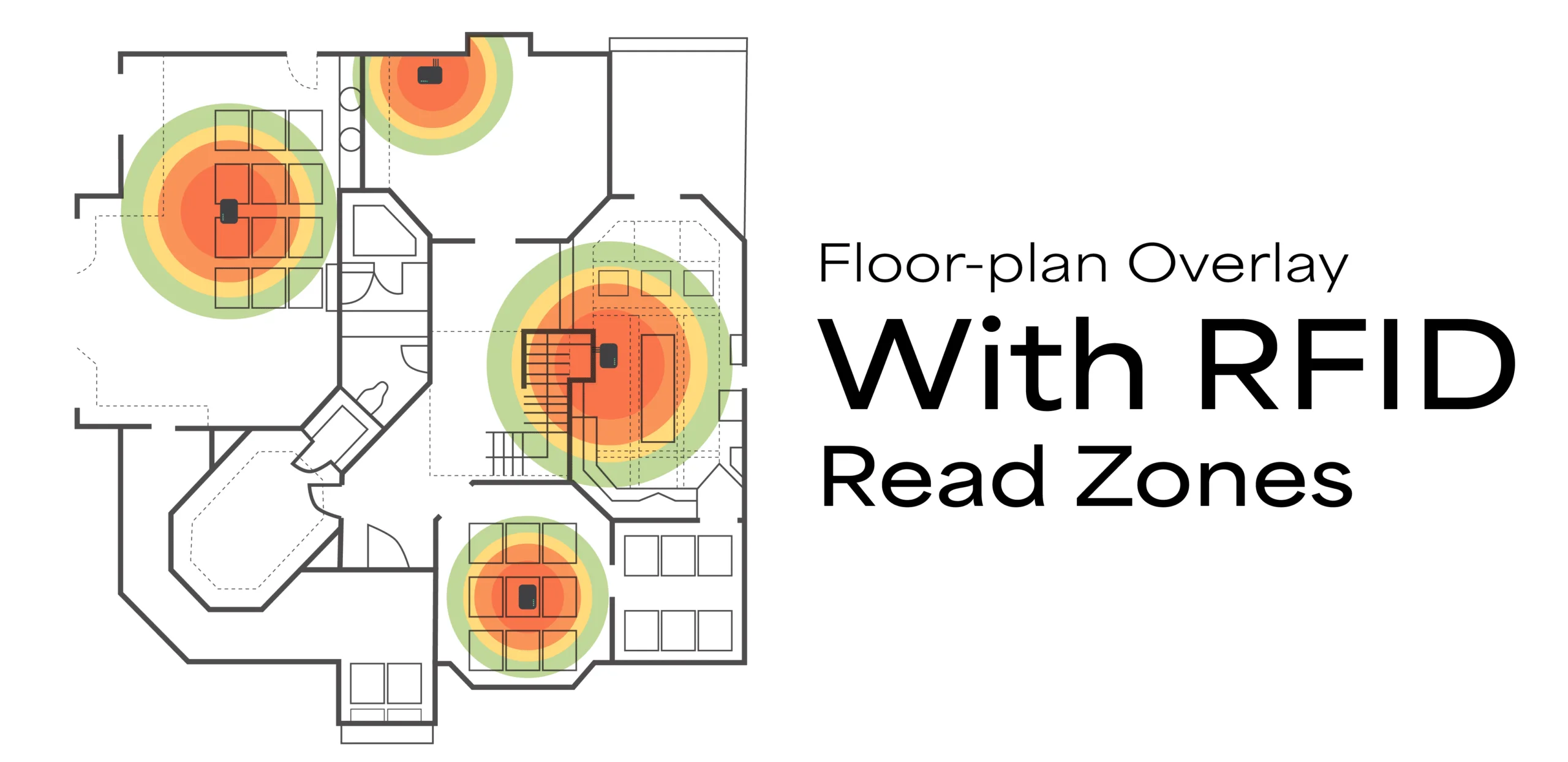
FIELD VIEW / READ ZONES
See the zone
before the reader.
A site survey connects the floor plan to the way items, people and equipment actually move.
- Mark doors, aisles, stations and handoff points
- Note metal, liquid, walls and nearby radio sources
- Define where a read becomes a business event
02 / DELIVERABLES
A clear output
for every stage.
Site and workflow brief
Documented so the next team can review, test or operate it.
Read-zone risk map
Documented so the next team can review, test or operate it.
Recommended pilot points
Documented so the next team can review, test or operate it.
Acceptance test outline
Documented so the next team can review, test or operate it.
03 / HOW WE WORK
Useful detail
at the right time.
Frame
Agree on the item, event, operating constraint and acceptance target.
Work
Run the test, configure the system or deliver the agreed field activity.
Hand off
Return a decision, record or playbook your team can use next.
04 / PROJECT INPUT
Bring the detail
that changes the answer.
A better starting brief lets the work stay specific to the item, site, system and decision in front of the team.
Read the related guideRepresentative item or packaging samples
Current floor plan, handoff points and operating constraints
Target event, connected system and responsible site contacts
Walk the material movement, operator actions, access constraints and nearby conditions that shape a useful read boundary.
Record candidate read points, risks, site dependencies and the question a representative pilot must answer.
Hand back a field brief, risk map and test outline that operations and technical owners can review together.
HANDOVER CHECK
- Named item, movement and candidate read boundary
- Known site dependencies and constraints recorded
- Pilot question and project owner agreed
Scope boundary: A site survey frames a configuration and test plan. It does not certify a site, guarantee read behavior or replace final commissioning.
05 / PROJECT FIT
Start where
the risk is.
Map materials, movement, interference and read zones before equipment is specified. Bring the specific unknown to us: a surface that fails, a read zone that is too broad, an event that does not reach the WMS, or a rollout that needs a repeatable handoff.
Demander un devis06 / NEXT STEP
Talk through
the project.
Tell us what is known, what is uncertain and when the next decision needs to be made.