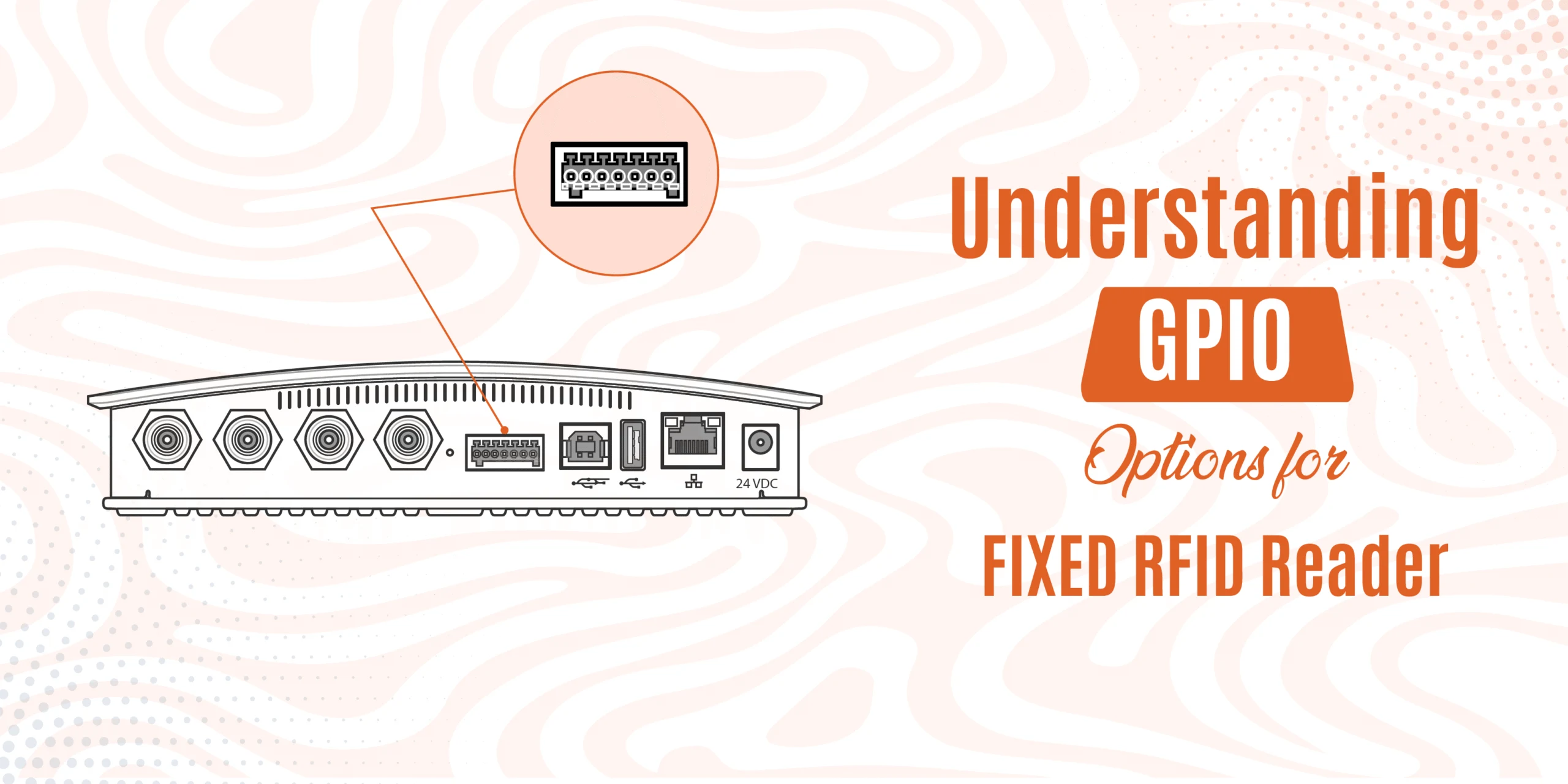
A reliable RFID workflow needs a clear start condition and a clear response. Plan the trigger, feedback channel and recovery action around the event the operator or automation must complete.
01 / FIELD NOTE
Define the start condition
Name what begins the read or write operation: an item entering a lane, a workstation action, a sensor transition or a software request. A trigger should create a bounded test window that matches the movement and event rules.
02 / FIELD NOTE
Bound the operating window
Set the start, end, repeat and timeout behavior for the trigger. Decide how sensor noise, a stuck input, a partial pass or a second item entering during the same window is handled before testing the normal path.
03 / FIELD NOTE
Choose useful feedback
Lights, displays, audible signals and software notifications can communicate success, failure, waiting or escalation. Select the channel for the working environment and make the meaning unambiguous for the operator.
04 / FIELD NOTE
Connect exceptions to action
For a missing, unexpected, duplicate or out-of-sequence identity, show or route the next action. Feedback is useful only when the operator or connected system can correct the condition and record the outcome.
05 / FIELD NOTE
Check the implementation boundary
Confirm the selected reader ports, electrical behavior, sensor interface, software rule and operator responsibility from current model documentation. Keep wiring, voltage, isolation and compatibility configuration-specific until they are verified.
06 / FIELD NOTE
Test timing and recovery
Test normal movement, partial passes, repeated triggers, sensor noise, offline behavior and delayed responses. Record when the trigger fired, what the reader observed, what feedback appeared and how the workflow recovered.
Bring your material, movement, target read and system context to a sample or quote request.
ขอตัวอย่าง