Manufacturing RFID for work-in-process
Connect material, work order and station events without relying on paper travelers.
01 / THE OPERATING PROBLEM
Make the next
right action visible.
Manufacturing teams need reliable traceability as material moves through stations, buffers and quality gates. RFID helps capture transitions at the point of work.
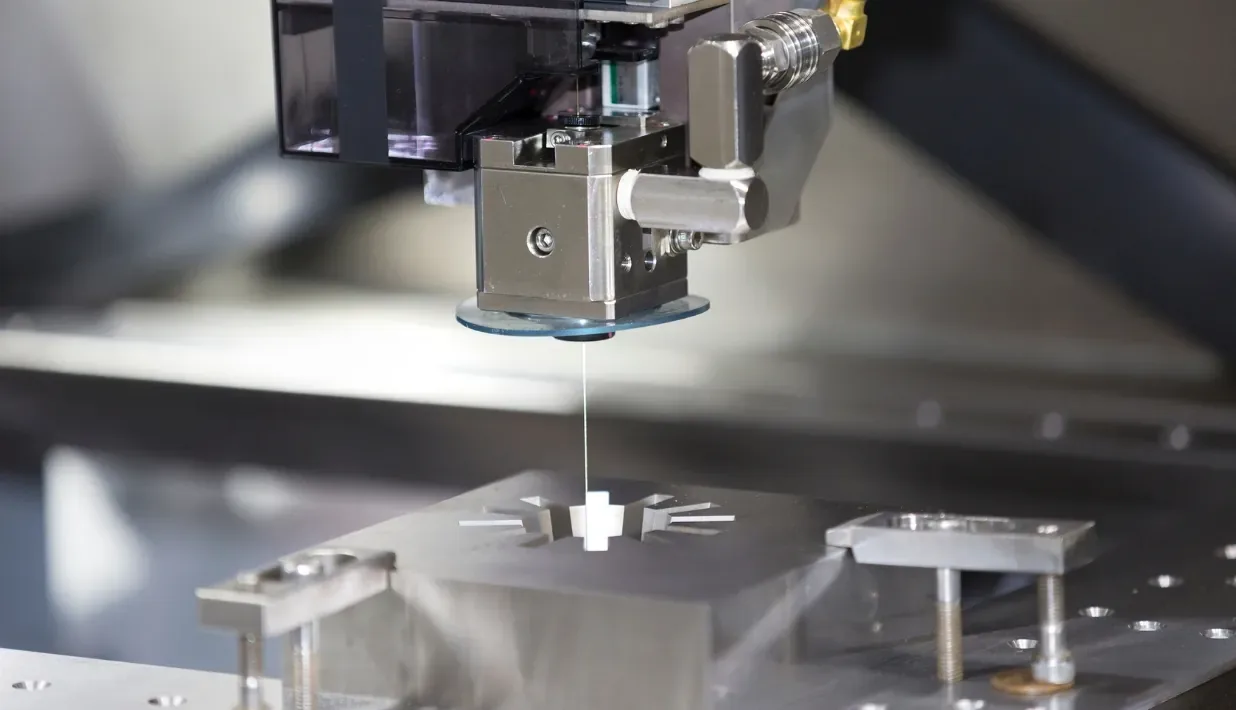
FIELD VIEW / PROCESS TRACEABILITY
Know the stage
before the next handoff.
A manufacturing workflow ties the work order, container and station event together so exceptions have an owner and a next action.
- Identify containers, batches or work orders at defined stations
- Record transitions between stations, buffers and quality gates
- Test tag attachment, heat, metal and station geometry before rollout
02 / THE RFID WORKFLOW
Four moments.
One connected record.
Identify container, batch or work order
Define the identity and the point where it enters the workflow.
Read at station or buffer transition
Capture a repeatable event with enough context to trust the result.
Validate the expected next step
Capture a repeatable event with enough context to trust the result.
Post status and exception to MES or ERP
Route the confirmed event to the system and person who acts on it.
03 / OPERATING SCOPE
Start with the
event, not the device.
A useful solution brief makes the item, event, system handoff and evidence visible before a configuration is selected.
Work orders, containers, line-side material, kits or reusable tools moving between defined stations.
Station arrival, process handoff, quality hold, material replenishment or tool issue event.
A controlled event to MES or ERP with work context, state and a visible exception path.
A representative station test covering item presentation, sequence, manual recovery and system response.
FIELD QUESTIONS
- Name the unit, work state and station that own each transition.
- Test metal, liquids, motion and nearby material with actual process fixtures.
- Validate expected sequence rather than posting every raw observation.
- Keep manual recovery separate from an automatic status change.
INDUSTRY CONTEXTS
Apply the workflow
to the operating setting.
These published industry routes apply the same solution pattern to a specific operating context. They are starting points for review, not a statement that any reader category or profile is ready for every environment.
04 / THE SYSTEM
Build around
the point of work.
Start with the read event and its purpose. Then select the tag, reader, antenna and software that support that event in the real environment.
Industrial tags or on-metal labels
Specified around the item, environment and operating step.
Fixed readers with configured antennas
Specified around the item, environment and operating step.
Handheld exception reader
Specified around the item, environment and operating step.
MES or ERP connector
Specified around the item, environment and operating step.
05 / SOFTWARE & INTERFACES
Make the read
mean something.
Publishes station, work order, EPC and status events to MES, ERP or a manufacturing data service.
Learn more06 / TEST METHOD
Measure the
uncertainty.
We test heat, metal, washdown, tag re-use, conveyor speed and station geometry against the required identification point.
- Representative materials and item mix
- Read range, speed and false-read checks
- Operator workflow and exception path
07 / DEPLOYMENT
Start with
one proven zone.
Map the process, define event ownership, pilot one route, document recovery paths and then expand by line or product family.
08 / WHAT GOOD LOOKS LIKE
Evidence your
team can use.
More consistent work-in-process traceability and an integration contract that production and IT teams can both operate.
اطلب عرض سعر09 / FAQ
Questions worth
asking early.
Some can, but construction and attachment are application-specific. We test temperature, chemicals, abrasion and re-use before making a recommendation.
Yes. The middleware or MES layer can compare the EPC and station event with the expected route and create an exception when they differ.
RFIDBRIDGE / NEXT STEP
Ready to test
the real thing?
Bring a representative item, a read target and the system that should receive the event.
اطلب عينة