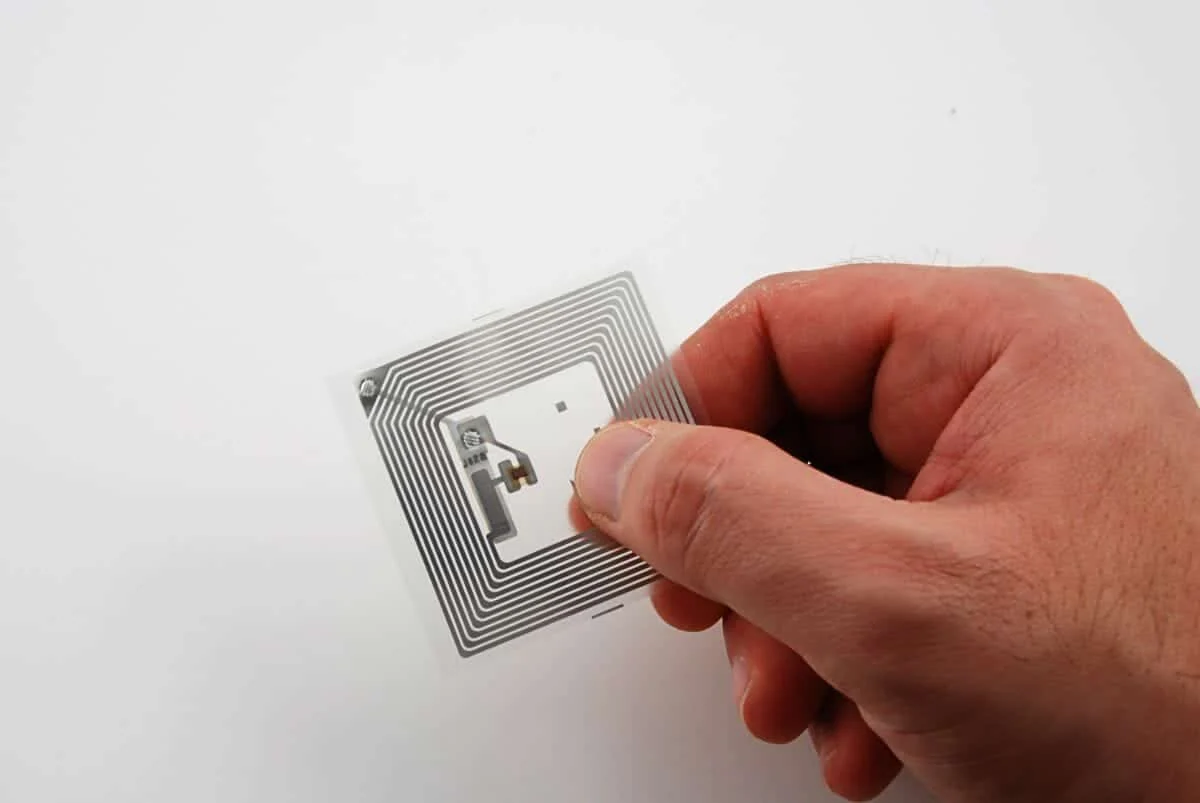
Tag selection is a decision about an item, its condition, the intended event and how the tag will be attached and replaced. Start with representative materials, then validate the complete reader and tag arrangement.
01 / FIELD NOTE
Define the item and event
Record whether the identified unit is an item, case, pallet, tool, container or another asset. Note the handling action, tag position, expected movement, reader interaction and system event so the selection is tied to an operating need rather than a label category.
02 / FIELD NOTE
Review conductive surfaces
Metal surfaces, nearby conductive materials, shape and tag position can change the radio environment. Compare constructions intended for the selected surface, then test normal placement, orientation, stacking and handling with the reader arrangement planned for the workflow.
03 / FIELD NOTE
Review liquids and changing contents
A container, fill state, moisture, condensation and the distance between the tag and its contents can all matter. Test the tag on representative containers in their normal filled, empty, cold, wet or handled conditions when those conditions apply.
04 / FIELD NOTE
Account for packaging and grouping
Carton material, folds, labels, packing density, item hierarchy and adjacent tags can change both the attachment decision and the event rules. Test a single item as well as the grouped, stacked or moving presentation that the operation will actually use.
05 / FIELD NOTE
Plan attachment and replacement
Adhesive, mechanical fixing, embedding and sewn attachment create different inspection, damage and replacement steps. Define who applies the tag, how identity is checked, what happens when it is damaged or removed and which system record remains authoritative.
06 / FIELD NOTE
Accept a tested configuration
Compare candidates with the same representative items, placement, movement, reader setup and exception cases. Retain the selected tag construction, attachment method, encoding rules where relevant, observations, normalized event and acceptance evidence before expanding the workflow.
Bring your material, movement, target read and system context to a sample or quote request.
サンプルを依頼